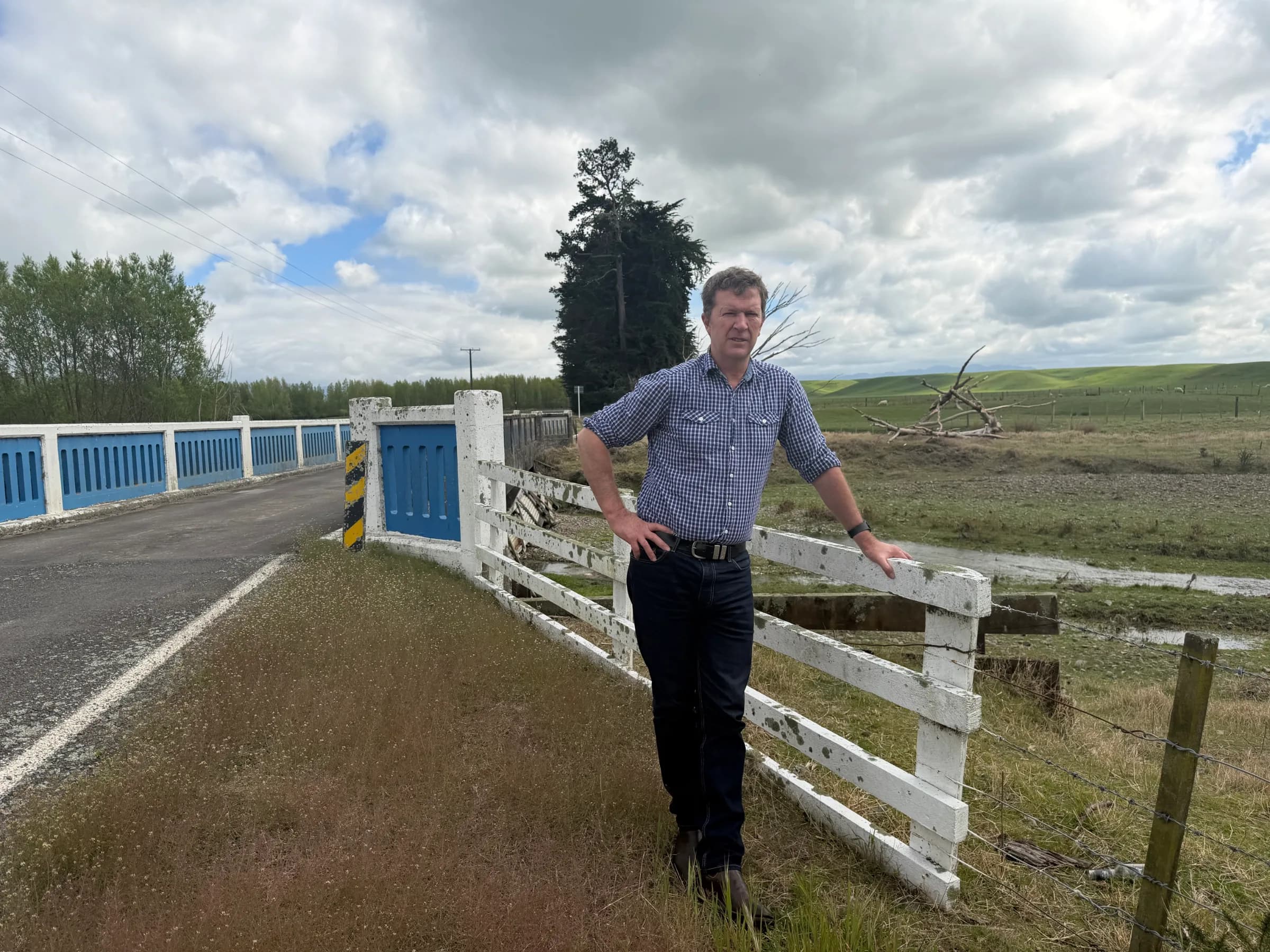
Iwi chair 'disappointed' by council vote on vehicle access at Waimārama Beach
Ngāti Kahungunu chair Bayden Barber says Hastings District Council’s decision not to adopt a vehicle permit plan for Waimārama Beach was “a kick in the guts” for the people who spent two years developing it and the groups they represented.
But Hastings Mayor Wendy Schollum, who cast the deciding vote on Wednesday after councillors were evenly split, said the council needed to be confident the restrictions would “make enough of a difference to safety and the environment” to justify limiting access for people who used the beach responsibly.
“We weren’t satisfied the ATV-only proposal had yet demonstrated that,” she said.
The Waimārama Working Group had proposed limiting ordinary beach vehicle permits to all-terrain vehicles (ATVs). Exceptions would have allowed access for mobility permit holders, emergency and surf lifesaving vehicles, and people launching boats in designated areas.
The council said submitters had raised concerns about parking, boat launching and customary access. People who relied on cars or utes to carry fishing gear would have needed an eligible ATV to retain ordinary vehicle access.
“Police have told us a permit system would give them another useful enforcement tool, and that’s important. But having more rules doesn’t automatically mean better behaviour,” Schollum said.
Barber, a Waimārama resident and member of the working group, told Hawke’s Bay News local hapū and marae had wanted vehicles off the beach altogether, while fishers and some residents wanted to retain access. Both sides had made concessions to reach an agreement.
Ngāti Kahungunu said 52 per cent of submitters in the latest consultation supported the proposal and 48 per cent opposed it. Seven of the eight submitters who spoke at Wednesday’s meeting backed the plan, according to the iwi.
“If you delve into the numbers, you’ll see that the submitters who are based in Waimārama are 80% in support of the working group recommendations,” Barber said. “We know our community, we know our beach, and we are tired of waiting for Council to take action.”
“We genuinely appreciate the work the Waimārama Working Group has put into this,” Schollum said. “They’ve worked hard to find a compromise between people with very different views, and that work hasn’t been wasted.
“But consultation is about more than counting how many people ticked support or oppose. Views were closely divided, and even among those who supported the proposal, some wanted changes. Others who opposed it still wanted better enforcement or more targeted restrictions.”
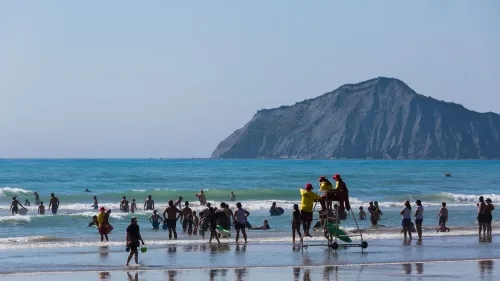
Waimārama, Waitangi and Hinetemoa marae asked the council for a full vehicle ban in 2023, citing concerns about beachgoers’ safety and the impact of vehicles on the dunes and kaimoana. Local hapū later blocked the Tiakitai Road beach entrance with boulders.
The working group formed in August 2024, bringing together marae, residents, fishers, landowners and representatives from civil defence, the fire brigade and surf lifesaving. Last summer, an unlocked gate and signs were trialled at the Airini Road entrance to discourage people from driving onto the beach.
“Our community did the hard work that Council asked of us. We found common ground where there had been division, and we put forward a practical solution,” Waimārama Marae chair Dr Jeremy Tātere Macleod said.
“It was only a trial, to be monitored over the summer of 2026/27, with a full review and assessment post summer,” working group chair Sophie Siers said of the proposed permit system. “This decision essentially leaves the community in limbo again.”
The existing rules will apply this summer. Vehicles are banned from about one kilometre of the beach between 8am and 8pm from Labour Weekend until the end of April. Where driving is permitted, the speed limit is 20km/h.
Councillors also amended the beach bylaw to give the council more flexibility over which vehicles can use the district’s beaches, where and when. At Waimārama, the council will work with police on clearer signs and investigate barriers and planting to protect the dunes. Officers will report back in February 2027 on more targeted options, including possible motorcycle restrictions.