Physician Associate recognition could improve access to healthcare, Hawke’s Bay doctor says

Formal recognition of physician associates could improve access to healthcare and ease pressure on medical teams, a Hawke’s Bay doctor who has supervised them says.
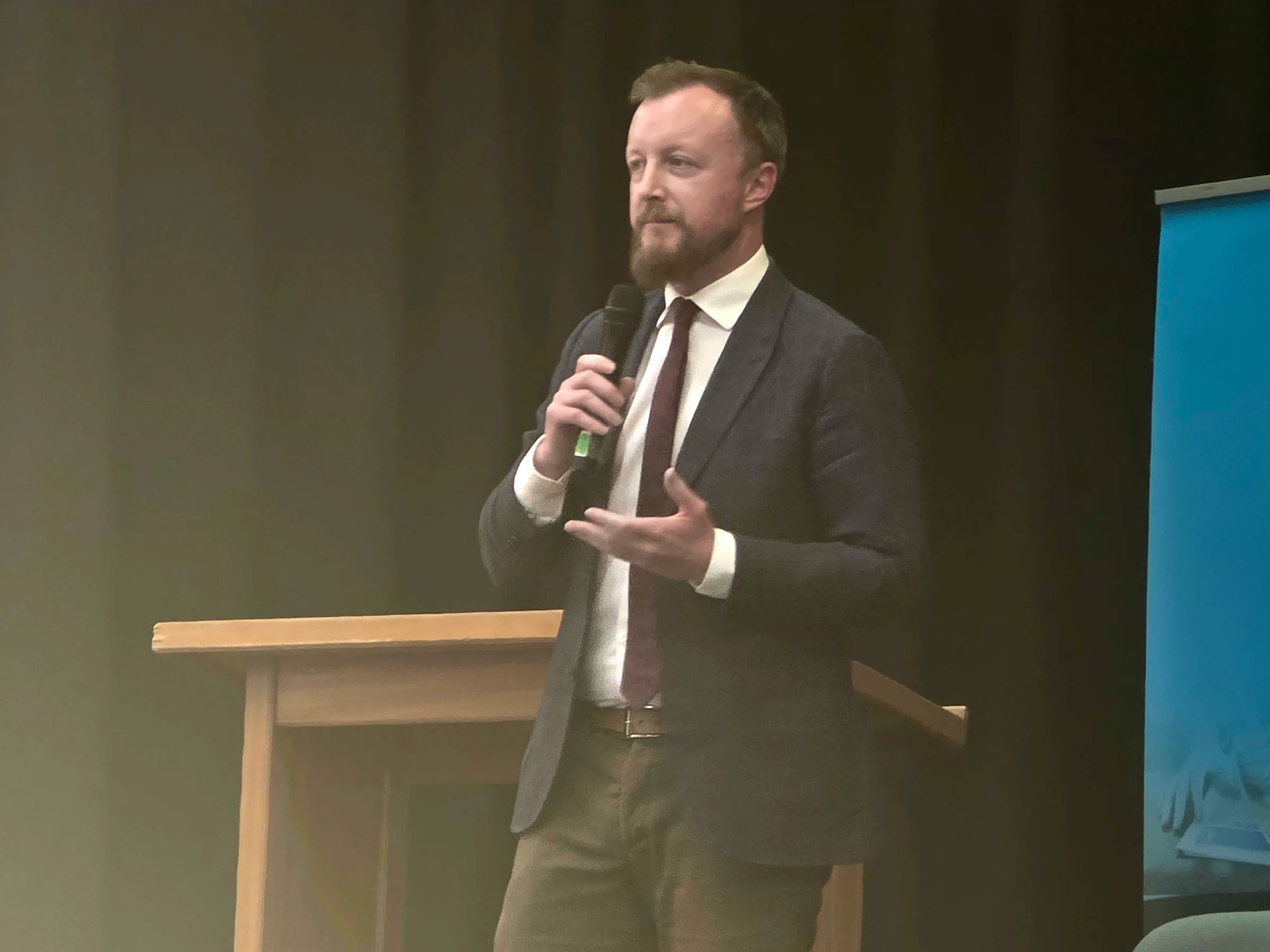
Urgent care physician Dr Jess Pollard says the change is an important step for the profession and the doctors responsible for supervising its members.
Physician associates, commonly known as PAs, became a regulated profession in New Zealand on October 1. The profession has been part of healthcare systems overseas for decades, particularly in the United States, United Kingdom, Netherlands and Canada.
Trained in the medical model, PAs work alongside doctors and other healthcare professionals to assess, diagnose, treat and manage patients. In New Zealand, PAs must work under a doctor’s supervision and have prescriptions authorised.
The New Zealand Physician Associate Society (NZPAS) says about 60 PAs were working across the country when registration began, all of whom had trained overseas.
Pollard, who works at Hastings Health Centre, has supervised two PAs over six years, including Andie Cook, who works in urgent care.
“Our PAs made access much more readily available,” Pollard says. “Not only do they act as very good clinicians on par with doctors in most ways, but they provide really useful education and support to our junior doctors, nurses and paramedics.
“Many of them bring a huge wealth of experience and knowledge with them and they’re more than happy to share and teach.”
Cook, who has practised in New Zealand for 10 years following six years in the United States, says regulation has been a long time coming.
“Having the Medical Council of New Zealand be the regulatory body for the profession is a huge weight off my shoulders. For me it means professional security, and reassurance for patients that a regulator is making sure I’m properly trained and qualified to care for them.”
A former medical director of urgent care at Hastings Health Centre, Pollard has helped develop supervision, auditing and mentoring systems for PAs and other emerging healthcare professions, including extended care paramedics.
She says one of the advantages of working with PAs is their training in the medical model, which makes communication about patients and their treatment easier.
“We speak the same language. The best comparison I can make, is that they operate like a senior registrar (a doctor training to be a specialist) in their specialty area.”
“They request oversight whenever required and give us enough detail to safely approve any prescriptions they think are required.
“An important thing for the public to know, is that they are trained to be dependent on their supervising doctors, so they don’t have any hesitation around running things past their supervisor or getting them involved if something is outside their scope.”
The regulation of PAs has attracted criticism from some medical organisations, particularly over patient safety, supervision and the allocation of healthcare resources.
“There are some legitimate concerns around confusion for patients with another role added to the growing list of medical professional types, but many of the other concerns are unfounded, including those around supervision and patient safety,” Pollard says.
A New Zealand pilot study involving PAs was carried out in the 2010s, with Pollard saying it produced positive results for patient safety and colleague satisfaction.
Cook says PAs are not intended to replace doctors or nurse practitioners, but to work alongside them as part of a multidisciplinary team.
“A common question is, ‘Why not just train more doctors or more nurse practitioners?’ New Zealand has been trying that for decades, as have other countries, and it simply hasn't been enough. We need more hands on deck.
“I think most of the scepticism comes from people who haven't worked with a PA, or who don't fully understand our training or how we fit into the healthcare team. Regulation and public education will help change that.”
Pollard says PAs could help ease pressure on New Zealand’s health system, particularly given the ongoing GP shortage and the time required to train more doctors. However, while she believes regulation will encourage more PAs to work in New Zealand, growth will depend partly on doctors being willing to supervise them.
“For those who have experience, they will know it is not onerous to supervise a PA, but there are many who are unsure and more again who are suspicious or distrusting and have been exposed to a lot of misinformation circulating.”
Pollard says she has yet to meet anyone in New Zealand who has reported a negative experience working with a PA.
“It will be slow, but it will get there.”
Hastings Health Centre is actively recruiting more PAs, and Cook says she hopes to see more working in Hawke’s Bay and across the country.
NZPAS says formal regulation also provides a foundation for developing local education and training programmes, creating opportunities for New Zealanders to enter the profession.
Cook hopes regulation will “open the door” to an NZ PA training programme, providing another career pathway for existing healthcare workers, including paramedics, nurses and physiotherapists, who may not be in a position to undertake doctorate medical school training from scratch.
“It has been shown that Kiwi-trained clinicians are also more likely to stay here long term, which is why we need home-grown PAs.”
Pollard also sees significant potential for a locally trained PA workforce to support doctors and strengthen healthcare services.
“It's that the model works really well in practice. And being able to open that up to our own nurses, paramedics, people who are already in the healthcare system, so that they can upskill and support doctors better. That's such a wonderful opportunity.”