Havelock North man airlifted after stroke strikes in A&E
A Havelock North man who suffered a major stroke while being treated in hospital for a severe allergic reaction says he has been given a second chance at life thanks to the Hawke’s Bay Rescue Helicopter.
Retired farmer and horseman John Bridge was rushed to Wellington Hospital for emergency surgery earlier this month after suffering a stroke while already in the emergency department at Hawke’s Bay Hospital.
Just days later, he was back home with full function and has since resumed his daily activities.
Bridge’s ordeal began when he woke one Monday morning covered in itchy welts, which were rapidly getting worse.
“I remember waking up on Monday morning to hives that had erupted in big itchy welts all over my body. It was getting worse by the second so I took myself into Peak Practise where I collapsed in the waiting room.”
Staff recognised he was experiencing anaphylaxis, a severe allergic reaction to a new medication, and administered adrenaline.
He was taken by ambulance to Hawke’s Bay Hospital, where he required a second dose of adrenaline after his symptoms returned.
While in the emergency department, Bridge began showing signs of a stroke.
Within minutes, he had suffered a major stroke and was taken for an urgent brain scan.
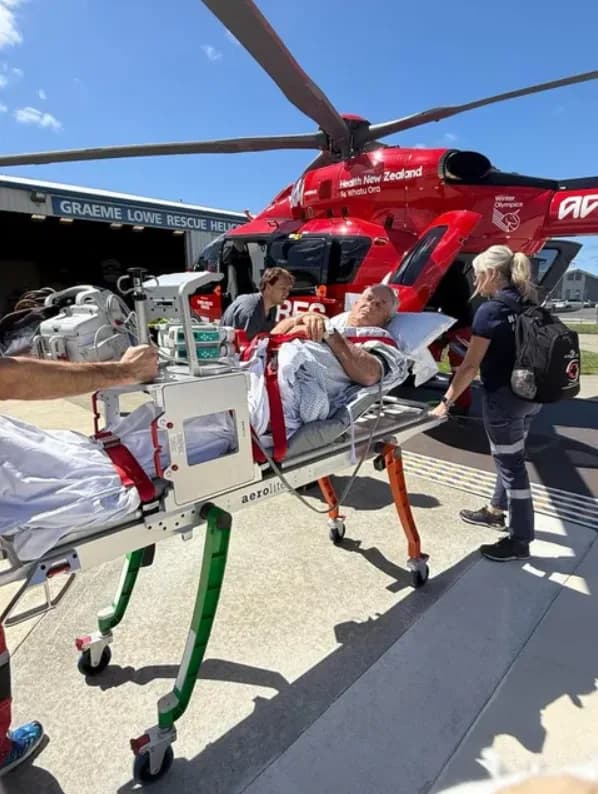
Following consultation with Wellington Hospital’s neurology team, the decision was made to fly him to Wellington for an emergency procedure to remove the blood clot.
The Wallace Foundation Rescue Helicopter transported Bridge to Wellington in 70 minutes, allowing him to undergo surgery within three and a half hours of the stroke.
Rescue helicopter paramedic Heath Gillot said eliminating delays was critical to improving outcomes for stroke patients.
“In this case the medical staff clearly identified the stroke, provided the immediate care and relied on the ability of the rescue helicopter to very quickly transport John to Wellington for definitive treatment where he has made a great recovery and not been left in a debilitating state due to his stroke.”
Gillot said the case demonstrated the importance of having specialist emergency transport available to people living outside major centres.
“What makes this such a success story is that it illustrates you can still live in the provinces and receive world-class medical treatment when you really need it.”
Bridge’s wife Jackie, who accompanied him on the flight, said the family was incredibly fortunate he had been in hospital when the stroke occurred.
“We’re so grateful that Johnny happened to be in the best place possible to have a stroke – in hospital, he could so easily have been out of coverage at the farm or working horses.”
She said having the rescue helicopter and Wellington’s specialist medical team available when they were needed had made all the difference.
“It’s a miracle. We feel so blessed it all worked out.”
After undergoing successful clot retrieval surgery and having a carotid stent inserted, Bridge was transferred back to Hawke’s Bay Hospital the following day.
He spent another two days under observation before returning home.
Apart from being unable to drive for a month, he has resumed his normal activities.
“I’m feeling good, albeit not quite as robust but that’s just time. I’m so grateful I’ve been given a second chance thanks to the speed and skill of the Hawke’s Bay Rescue Helicopter crew.”
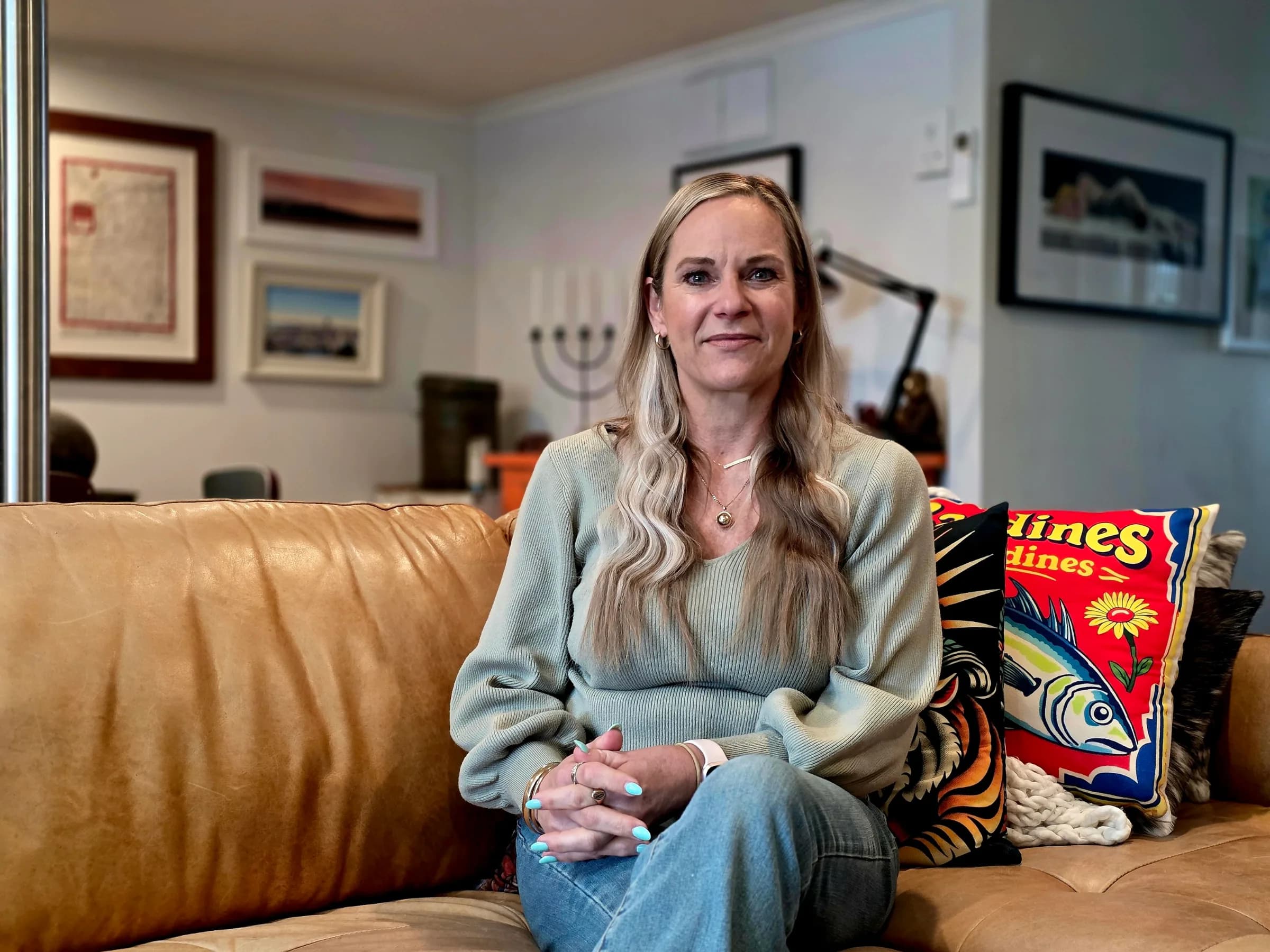
The experience has been particularly personal for Bridge’s daughter, Alisha Neilson, who works for the Hawke’s Bay Rescue Helicopter Trust promoting the service and writing patient stories.
“Never did I anticipate I’d be writing a story so close to home,” she said.
“Watching Dad being loaded onto the heli that day and witnessing firsthand the crew’s care, skill and professionalism really reinforced to me why this service means so much to our community.”
Neilson said her family felt deeply indebted to those who helped her father.
“Ultimately, I still have my Dad thanks to the crew that day.”
For Bridge, the experience has also changed how he views the rescue helicopter when he sees it flying overhead.
“I often see the heli fly overhead and think I hope that’s no one I know. I will have to get a few more lambs on that truck for Heli Livestock!”
The Wallace Foundation Rescue Helicopter responds to around 400 callouts each year across the region and relies heavily on corporate partnerships and community donations to fund its operations.